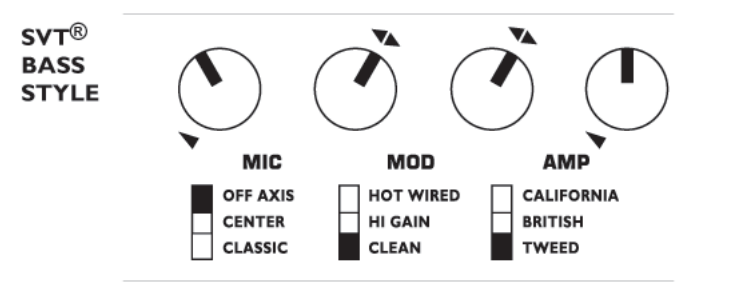
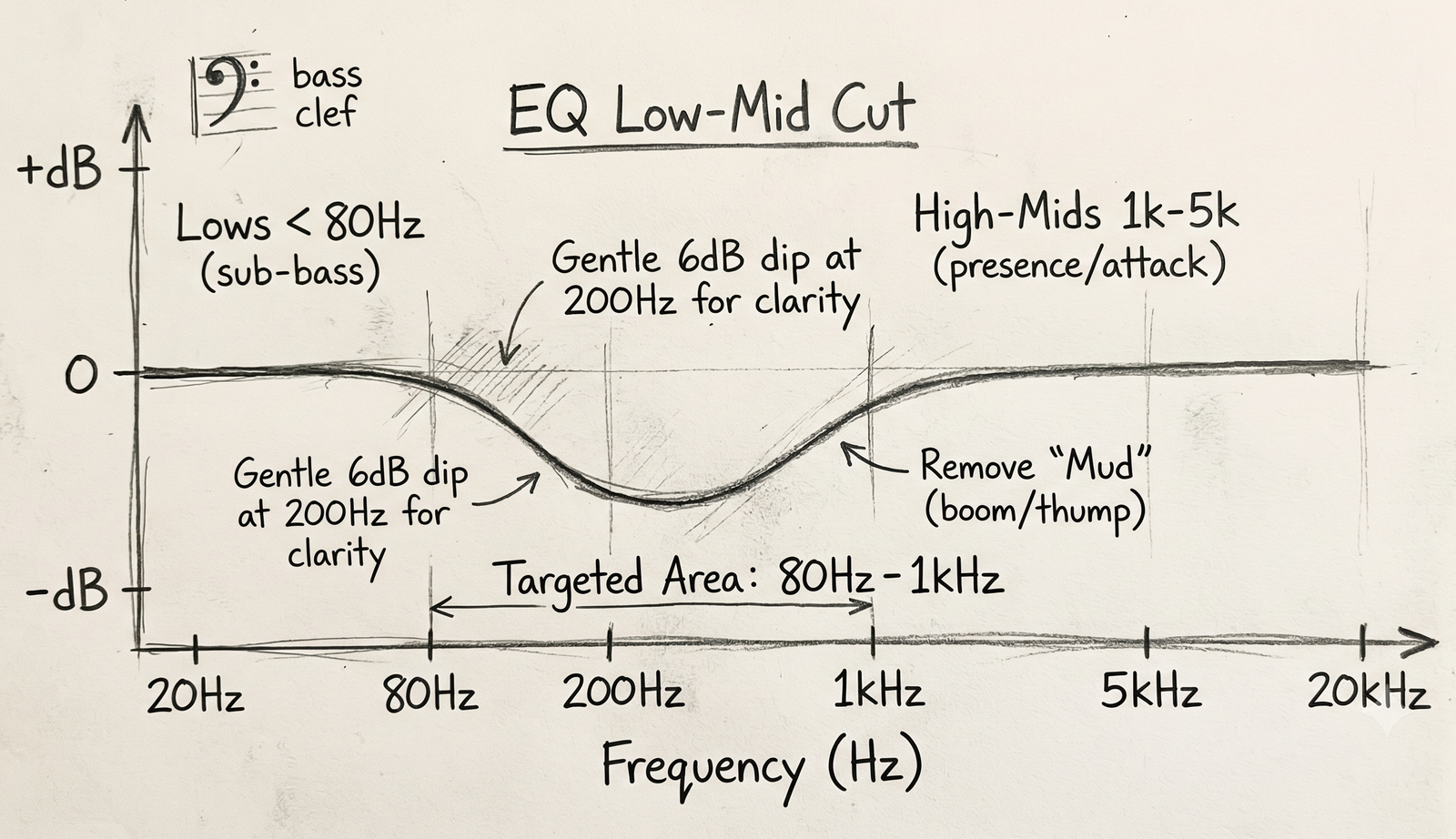
Recording direct-in (DI) using a Fender Squier Classic Vibe '60s Mustang Bass paired with a Tech 21 SansAmp GT2 is a brilliant, no-nonsense approach to achieving a professional bass tone. By routing the punchy, short-scale thud of the Mustang Bass into the GT2—tweaked to emulate the iconic, growling warmth of an Ampeg SVT rig—you shape the core of your sound completely before it ever hits your DAW. This hardware-first signal chain captures a rich, tube-like saturation and a tight low-end that sits perfectly in a mix right from the start. Because the SansAmp handles the heavy lifting of tone shaping, cabinet simulation, and harmonic enhancement, your post-processing is incredibly minimal, requiring nothing more than a minor EQ touch-up to roll off unnecessary sub-frequencies or taming a specific resonant peak.
The true beauty of this setup lies in its absolute consistency. Whether you are laying down tracks in your home studio or plugging straight into the front-of-house PA at a live venue, your core tone remains identical. You no longer have to worry about the unpredictable acoustics of a bedroom, varying microphone placements on a physical cabinet, or the venue's backline gear. This reliable, repeatable setup gives you the ultimate confidence as a player: knowing that the exact, mix-ready bass tone you hear during your practice sessions is exactly what your interface captures and what your audience hears live.